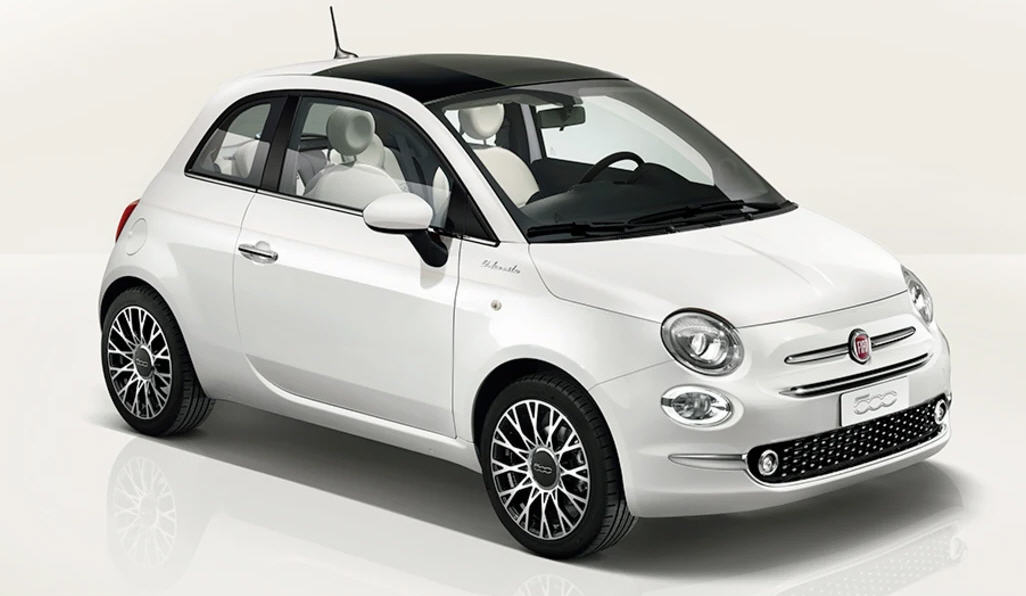
First the Volkswagen Beetle, then the Mini and now the Fiat 500. With all, the script is the same: a small, cheap, utilitarian car that became iconic through its engineering purity and brilliance. Years later, the model is relaunched as a heavily styled object, with the emphasis on premium build and desirability.
The original Nova 500 was so basic that it was conceived partly as an alternative to a scooter. There was one engine option and it had just two seats (at launch), plus suicide doors. By comparison, pour over the options list of the latest Fiat 500 and you’ll find hundreds of thousands of different ways of specifying the car.
Fiat 500 engine line-up and trim levels
At the top of the range, Fiat got its tuning house Abarth to sprinkle its magic over the 500 and subsquently created the Abarth 595, 595 Turismo and Abarth 595 Competizione. As you would expect, each model gets more aggressive and sporty as you go through the range, while the track-day engineered Abarth 695 Biposto remained on the pre-facelift model.
DESIGN & STYLING
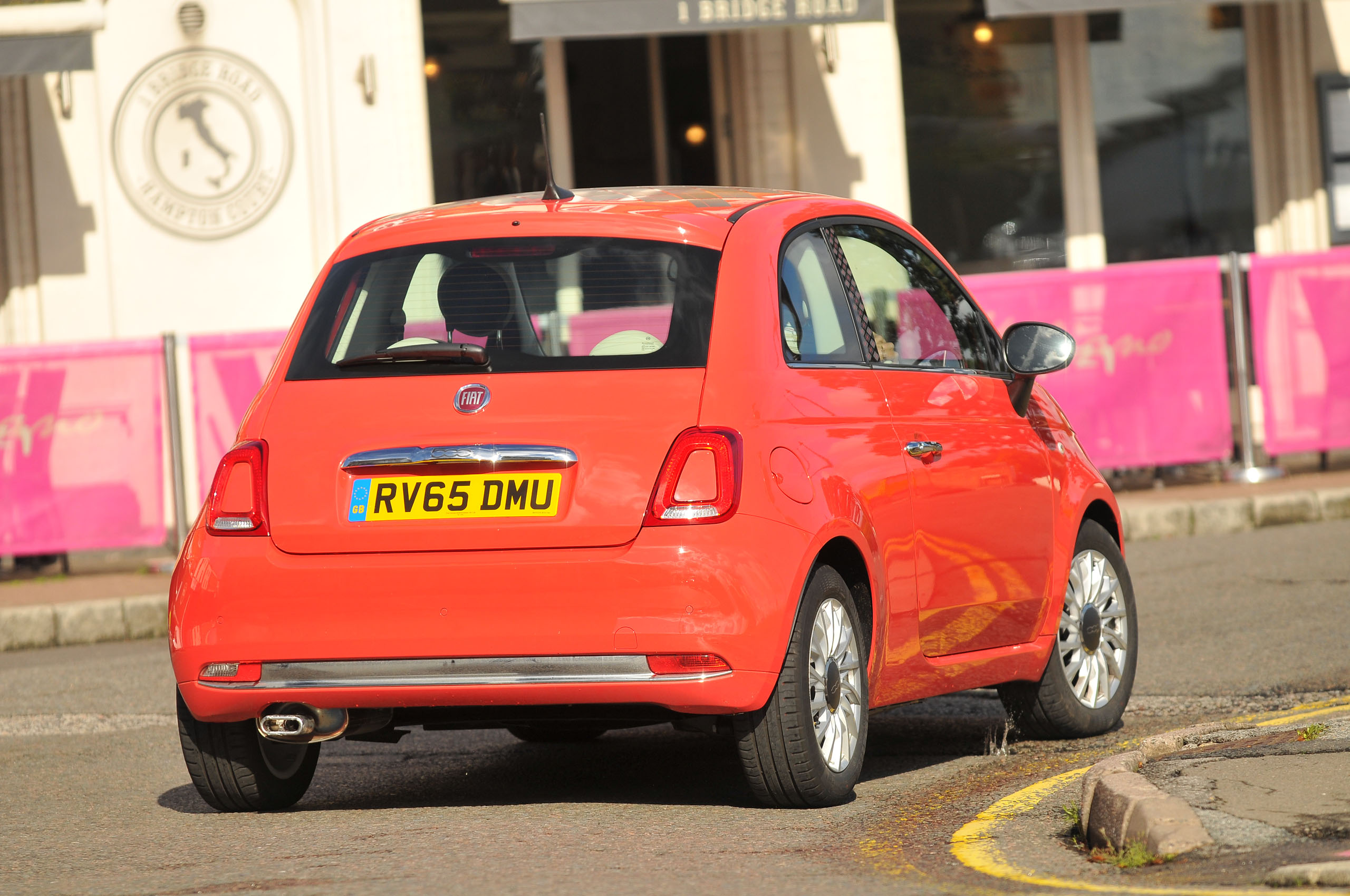
Initially, design is what sells the Fiat 500. The proportions of the original have been replicated here, which is an achievement in itself, given that the original was a two-seater with an air-cooled engine in the back, and this is a four-seater with a water-cooled engine, mounted more conventionally in the front.
The 500 is obviously a successor to the 1957 car, but not slavishly so. It didn’t, for instance, have secondary lights below the round headlights like the modern car. It didn’t have to contend with Euro NCAP crash tests, either; that the 500 manages a five-star rating is testament to Fiat’s engineers.